


Why Professional Drivers Choose Custom Molded Earplugs for Racing
- написал: BetteLivings
- 0
- 0
As the sun began to rise over the racetrack, the unmistakable roar of engines filled the air, signaling the start of an exhilarating day of motorsport. For professional drivers, every shift and turn on the circuit is accompanied by a symphony of sounds-some thrilling, others potentially destructive. Amidst this cacophony, custom molded earplugs stand out as a vital piece of equipment for those who prioritize both performance and safety on the track. These finely engineered earplugs, designed specifically for each individual, have become a staple among elite racers. But what makes them so essential? Drivers face a unique set of challenges, with the intense noise levels within racing environments posing significant risks to their hearing health and overall performance. High-frequency sounds, like tire screeches and engine roars, can become overwhelming, distracting drivers at critical moments. Custom molded earplugs offer a tailored solution that not only mitigates noise but also enhances focus, enabling drivers to perform at their best. Let's delve deeper into why these earplugs have garnered such popularity among professional drivers. racing harnesses Understanding the Need for Noise Protection in Racing In the world of motorsport, noise is an omnipresent element, often leading to fatigue and even hearing loss over time. Studies suggest that prolonged exposure to sounds above 85 decibels-common in racing environments-can cause irreversible damage. The racing industry has come to recognize the importance of protecting drivers' auditory health, leading to the adoption of earplugs as a standard practice. 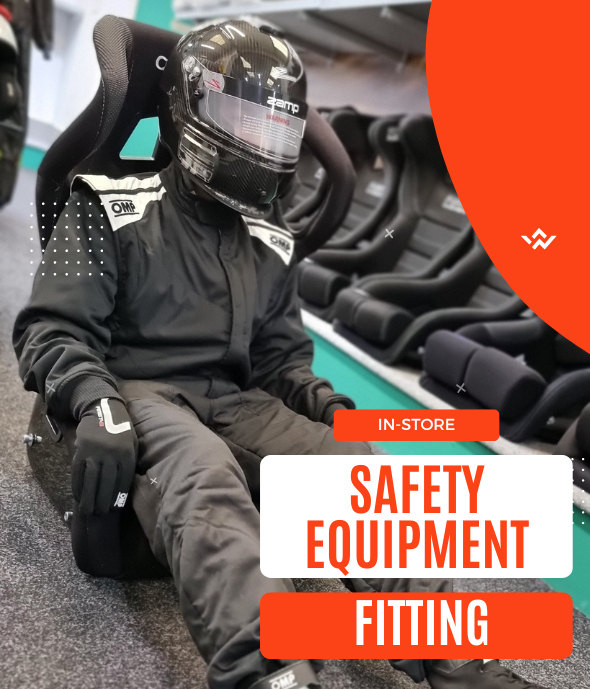 Custom molded earplugs are crafted to fit the unique contours of an individual's ear, ensuring a snug fit that not only blocks harmful noise but also allows for clear communication with team members. This precision fitting is crucial, as standard earplugs often fail to provide adequate protection or comfort during long hours on the track. Key Features of Custom Molded Earplugs What sets custom molded earplugs apart from conventional options is their specialized design and construction. Here are some key features that make them a preferred choice among professional drivers:
 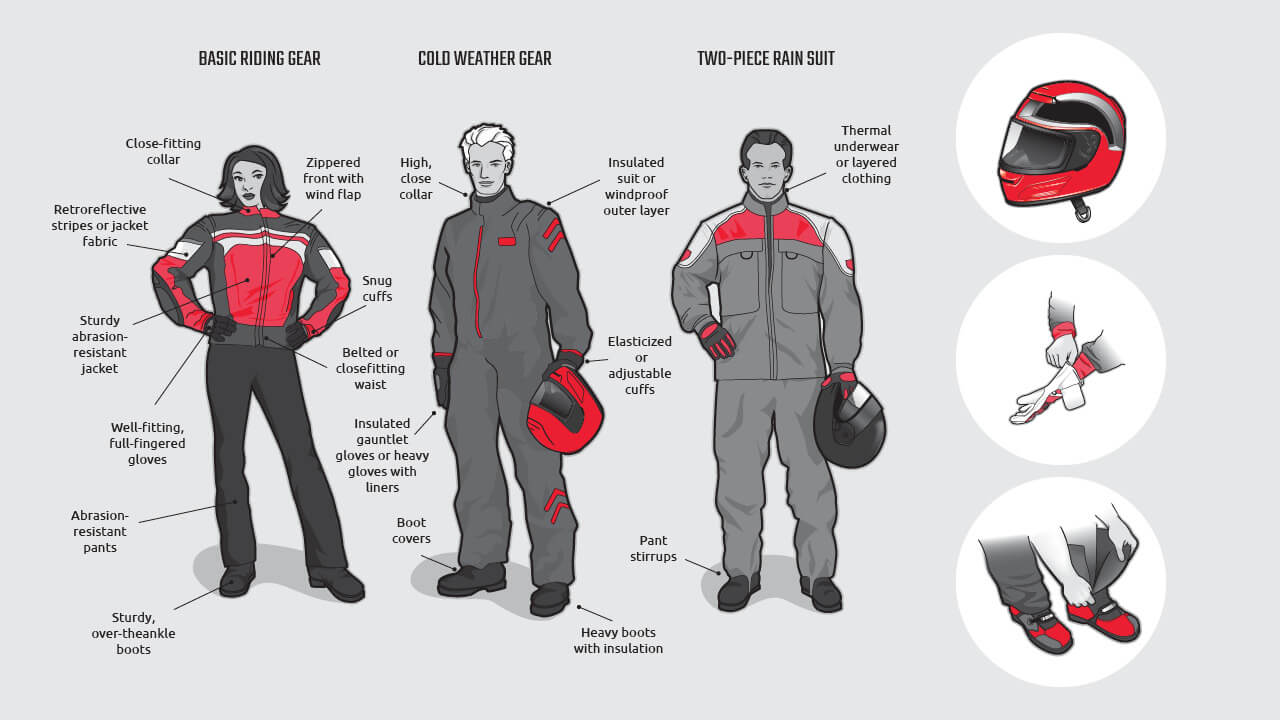 The time frame for receiving custom earplugs can vary, but generally, it's a matter of weeks rather than months. Many drivers find the investment in comfort and safety worth the wait, especially given the potential risks associated with noise exposure on the track. Performance Enhancement through Hearing Protection Using custom molded earplugs can significantly enhance a driver's performance. By reducing distracting noise, drivers can better concentrate on their racing strategy, gauge their vehicle's performance, and respond swiftly to dynamic track conditions. Additionally, the ability to communicate with pit crews without needing to remove earplugs offers an edge in coordination and strategy during races. For instance, imagine a driver during a crucial race segment. With ambient noise reduced, they're able to focus entirely on the engine feedback and tire performance, facilitating quicker decision-making. This heightened awareness can mean the difference between winning and losing, particularly in high-stakes situations.
  Cost Considerations: Are Custom Molded Earplugs Worth It? The investment in custom molded earplugs can vary widely based on the manufacturer and additional features. While they typically range from $150 to $300, many drivers consider them a worthy investment due to their longevity and effectiveness. In comparison, frequently purchasing disposable earplugs can add up over time and may not provide the same level of protection or comfort. RaceAndRally Moreover, the cost should be weighed against the potential risks associated with hearing loss in highly noisy environments. Considering that a single instance of hearing damage can have lifelong consequences, the benefits of custom molded earplugs become even more apparent. To help illustrate the cost-effectiveness, let's consider a simple calculation: If a driver spends $20 per month on disposable earplugs, that's $240 per year. A one-time investment in custom molded earplugs might be recouped in less than a year, all while providing superior comfort and protection. For motorsport enthusiasts and professional teams looking to enhance their racing experience, custom molded earplugs are more than just a luxury; they are a necessary tool for performance and safety. They exemplify how investing in specialized equipment can yield significant benefits both on and off the track.
Custom molded earplugs are crafted to fit the unique contours of an individual's ear, ensuring a snug fit that not only blocks harmful noise but also allows for clear communication with team members. This precision fitting is crucial, as standard earplugs often fail to provide adequate protection or comfort during long hours on the track. Key Features of Custom Molded Earplugs What sets custom molded earplugs apart from conventional options is their specialized design and construction. Here are some key features that make them a preferred choice among professional drivers: - Tailored Fit: Custom earplugs are molded specifically to an individual's ear shape, ensuring maximum comfort and stability during use.
- Noise Reduction: They can significantly reduce sound levels, providing a safer environment without completely isolating the driver from necessary sounds.
- Durability: Made from high-quality materials, these earplugs can withstand the rigors of racing and last much longer than standard foam options.
- Communication Enhancement: Despite their noise-blocking capabilities, many models allow for clear communication, essential for team coordination.
- Moisture Resistance: Custom molded earplugs often feature materials designed to resist sweat and moisture, ensuring they remain effective and comfortable during intense races.
The time frame for receiving custom earplugs can vary, but generally, it's a matter of weeks rather than months. Many drivers find the investment in comfort and safety worth the wait, especially given the potential risks associated with noise exposure on the track. Performance Enhancement through Hearing Protection Using custom molded earplugs can significantly enhance a driver's performance. By reducing distracting noise, drivers can better concentrate on their racing strategy, gauge their vehicle's performance, and respond swiftly to dynamic track conditions. Additionally, the ability to communicate with pit crews without needing to remove earplugs offers an edge in coordination and strategy during races. For instance, imagine a driver during a crucial race segment. With ambient noise reduced, they're able to focus entirely on the engine feedback and tire performance, facilitating quicker decision-making. This heightened awareness can mean the difference between winning and losing, particularly in high-stakes situations. Cost Considerations: Are Custom Molded Earplugs Worth It? The investment in custom molded earplugs can vary widely based on the manufacturer and additional features. While they typically range from $150 to $300, many drivers consider them a worthy investment due to their longevity and effectiveness. In comparison, frequently purchasing disposable earplugs can add up over time and may not provide the same level of protection or comfort. RaceAndRally Moreover, the cost should be weighed against the potential risks associated with hearing loss in highly noisy environments. Considering that a single instance of hearing damage can have lifelong consequences, the benefits of custom molded earplugs become even more apparent. To help illustrate the cost-effectiveness, let's consider a simple calculation: If a driver spends $20 per month on disposable earplugs, that's $240 per year. A one-time investment in custom molded earplugs might be recouped in less than a year, all while providing superior comfort and protection. For motorsport enthusiasts and professional teams looking to enhance their racing experience, custom molded earplugs are more than just a luxury; they are a necessary tool for performance and safety. They exemplify how investing in specialized equipment can yield significant benefits both on and off the track. - Purchase custom molded earplugs from a reputable provider.
- Schedule an appointment with an audiologist to get a precise ear impression.
- Wait for the custom earplugs to be manufactured and delivered.
- Enjoy enhanced performance and safety on the racetrack.
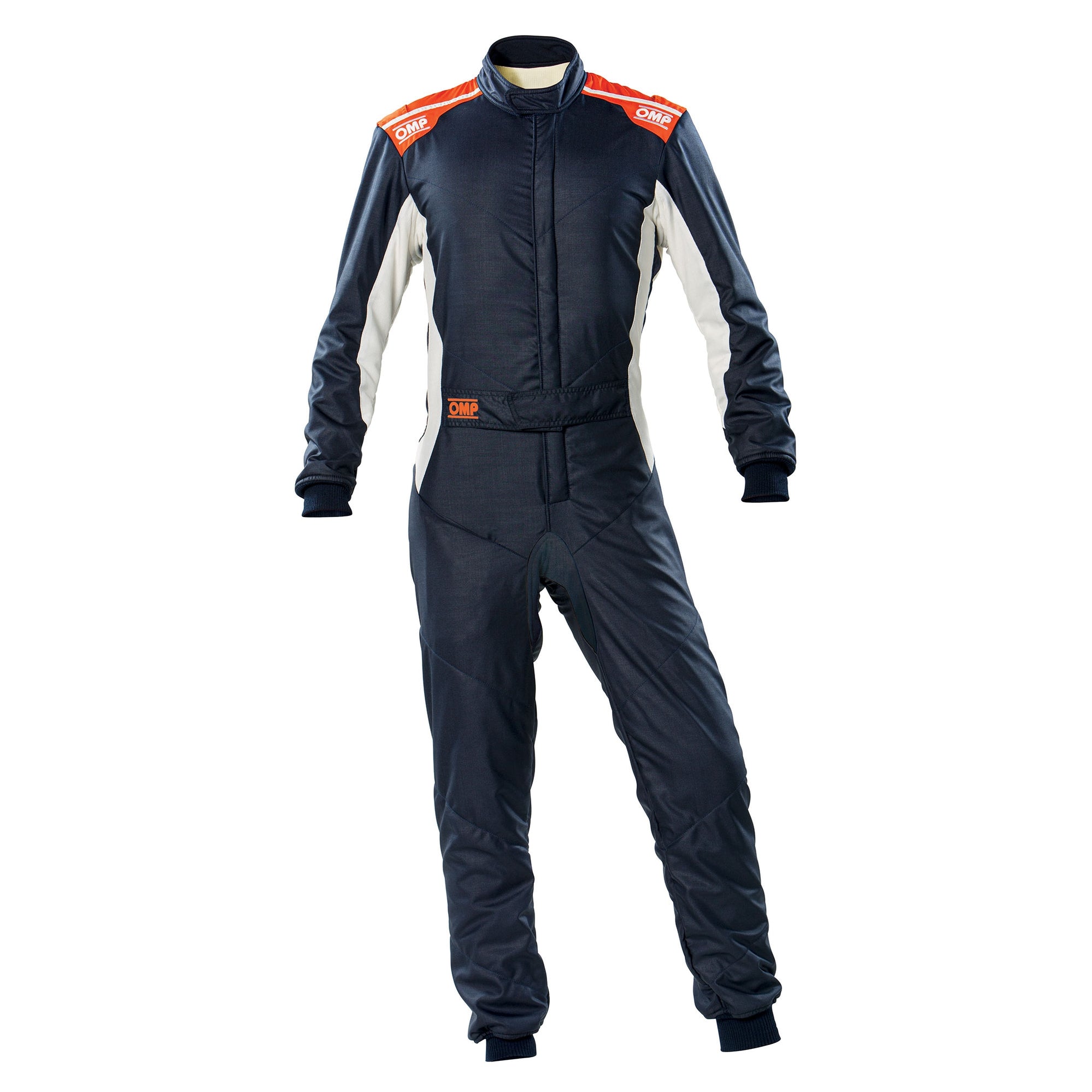 Moreover, when evaluating the cost, it's critical to factor in the potential savings from avoiding accidents or failures during high-stress situations. The assurance of having a reliable braking system can lead to better performance and potentially higher placements in races. For those looking to ensure their vehicles are FIA-compliant, these lines are often a must-have. Pros and Cons of Braided Brake Lines As with any upgrade, it's essential to weigh the pros and cons of braided brake lines to make an informed decision:
  Pros: — Enhanced safety: Reduced risk of brake failure during extreme conditions.